Grapeseed oil: properties, benefits, and why it's the future of natural skincare
Extracted from grape seeds, grapeseed oil is one of the most antioxidant-rich natural ingredients. A complete guide to its properties, benefits, and applications in modern skincare — with a focus on formulations that transform it into a sustainable beauty ritual.
Grapeseed oil is revolutionizing the way we think about natural skincare. Extracted from grape seeds, it is rich in antioxidants, vitamin E, and essential fatty acids—a precious ally for skin, lips, and hair, and a symbol of beauty that respects the planet.
What is grapeseed oil?
Grapeseed oil (INCI: Vitis vinifera seed oil) is obtained by cold-pressing grape seeds, a raw material that was once considered a waste product of winemaking. Today, it is one of the most beloved ingredients in clean skincare: light, non-comedogenic, and deeply nourishing.
A small revolution that speaks of circular economy: what was once waste becomes the raw material for a conscious beauty ritual.
Composition: what it truly contains
Grapeseed oil is rich in:
- Linoleic acid (omega-6): accounts for 60-70% of the oil. It strengthens the skin barrier and helps maintain hydration.
- Vitamin E (tocopherols): a powerful antioxidant that neutralizes free radicals responsible for cellular aging.
- Polyphenols and resveratrol: bioactive molecules with anti-aging effects.
- Procyanidins: help protect capillaries and improve microcirculation.

7 benefits of grapeseed oil for the skin
1. Deep hydration without feeling heavy
Thanks to its light texture, grapeseed oil absorbs quickly, hydrating the skin without leaving greasy residue. It is perfect for combination, oily, and acne-prone skin—contrary to what one might think, it does not clog pores.
2. Anti-aging effect
Polyphenols and vitamin E combat free radicals, one of the main causes of wrinkles, loss of tone, and skin spots. Clinical studies show that regular application improves skin elasticity and radiance.
3. Strengthens the skin barrier
Linoleic acid is one of the "building blocks" of the skin's lipid barrier. Skin with an intact skin barrier is more resistant to pollution, cold, and stress.
4. Reduces redness and inflammation
Procyanidins have soothing and anti-inflammatory properties. Recommended for sensitive, reactive, or stressed skin.
5. Promotes healing
Grapeseed oil accelerates skin regeneration processes: useful for small scars, post-acne marks, or chapped skin.
6. Nourishes without clogging
Contains phytosterols that mimic the skin's natural lipids, nourishing it deeply. Also ideal for lips: plumps and protects against cold.
7. Sustainable and low impact
Recovering grape seeds from winemaking waste means giving value to what would otherwise be discarded. A skincare gesture that respects the planet.
How to use grapeseed oil in your daily skincare routine
On the face
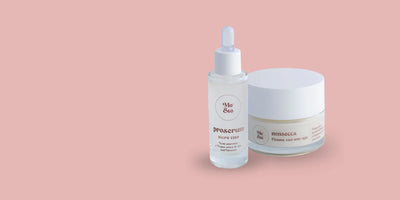
You can use it pure in the evening after cleansing, or choose products formulated with concentrated grapeseed oil such as Proserum facial serum or Nonsecca anti-aging cream, which combine the oil with active wine water from Abruzzo, hyaluronic acid, and anti-pollution complexes.

On the lips
Lips are particularly vulnerable to external agents. Mo'Stò lip balms are formulated with grapeseed oil, vegetable butters, and unripe grape stem cells for a plumping and nourishing effect.

Exfoliation
Combined with sugar, grapeseed oil is the perfect base for a gentle lip scrub like Delulu: it smooths, hydrates, and prepares the lips to absorb subsequent treatments.

Grapeseed oil: the connection with wine
It's no coincidence that Italian wine regions are at the forefront of skincare production with grapeseeds. Abruzzo, the land of Montepulciano, is one of the territories richest in tradition and quality of raw materials. Mo'Stò was born right here, in the heart of the province of Pescara, from the meeting between Marina and Lisa—mother and daughter—and the desire to transform wine into a beauty ritual.
Frequently asked questions about grapeseed oil
Is grapeseed oil suitable for oily skin?
Yes, contrary to popular belief. Grapeseed oil is non-comedogenic (rating 1 out of 5) and has a light texture. It is often recommended specifically for combination and oily skin because it balances sebum without feeling heavy.
Can I use it during pregnancy?
Pure grapeseed oil is generally considered safe during pregnancy. For formulated products, always check the full INCI or consult your dermatologist.
How long does a bottle last?
Pure grapeseed oil has a shelf life of about 6-12 months after opening. Store it in a dark, cool place. In formulated products like those from Mo'Stò, the PAO (Period After Opening) is indicated on the packaging.
Difference between grapeseed oil and argan oil?
Both are vegetable oils rich in antioxidants. Grapeseed oil is lighter and absorbs more quickly, ideal for combination skin. Argan oil is richer and more nourishing, perfect for dry or mature skin.
The Mo'Stò ritual
In our formulations, grapeseed oil meets active wine water from Abruzzo, hyaluronic acid, and anti-pollution complexes. A synergy of active ingredients that transforms the daily skincare routine into a conscious ritual.
Explore the Mo'Stò collection →
Mo'Stò Beauty — conscious skincare born in Abruzzo. Vegan, cruelty-free, made in Italy.